


The Adafruit BME280 Humidity + Barometric Pressure + Temperature Sensor Breakout Evaluation Board contains a Bosch BME 280 sensor can be used to communicate via 4-wire SPI interface. The Bosch BME 280 sensor and also can be interfaced via I2C too.

This Adafruit BME280 Humidity + Barometric Pressure + Temperature Sensor Breakout Evaluation Board was demonstrated in a previous article called Nordic nRF54L15-DK Zephyr SPI (Temp,Pressure,Humidity) (Zephyr IoT weather station).
In this case, the Raspberry Pico 2W wireless access point, integrated that Adafruit BME280 Humidity + Barometric Pressure + Temperature Sensor Breakout Evaluation Board via I2C, using a similar approach to the one shown in the previous article here that integrated the 1-wire temperature sensor. It was used to create another IoT sensor demo. The Raspberry Pico 2W used the C SDK to create this IoT sensor demo.
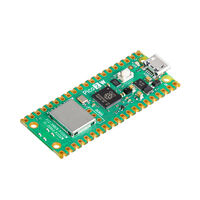
A small prototype perforated board was used to connect the sensor board to the Raspberry Pico 2W. DigiKey offers many Prototype Boards Perforated | Electronic Components Distributor DigiKey

Once the firmware was compiled and downloaded into the Raspberry Pico 2W using the same method used in previous articles. The cellphone was used to access directly the Raspberry Pico 2W wireless access point by entering the proper WiFi ID and the password. A browser was used to access (192.168.4.1) where the temperature, relative humidity and barometric pressure measured by the Adafruit BME280 Humidity + Barometric Pressure + Temperature Sensor Breakout Evaluation Board contains a Bosch BME 280 sensor is sent to the user as shown below via HTTP TCP method,

The user can refresh the browser from the cellphone to request a new reading for the temperature, atmospheric pressure and relative humidity. A 7 position header was used to connect the Adafruit BME280 Humidity + Barometric Pressure + Temperature Sensor Breakout Evaluation Board into the prototype perforated board.

This allows to connect or disconnect the Adafruit BME280 Humidity + Barometric Pressure + Temperature Sensor Breakout Evaluation Board as needed without being permanently soldered. Another way of connecting the sensor via I2C is via the QWIIC connector on the board using the following QWIIC cable,
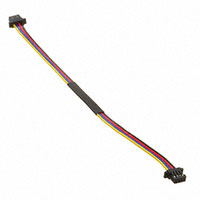
to connect to the corresponding QWIIC connector that can be attached to the prototype perforated board,
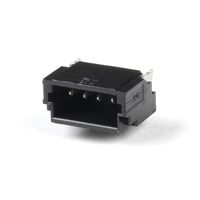
Or better yet, if there are more I2C devices connected to that Raspberry Pico 2W wireless access point I2C bus, the following item can be used, which is easier to use in the prototype perforated board,
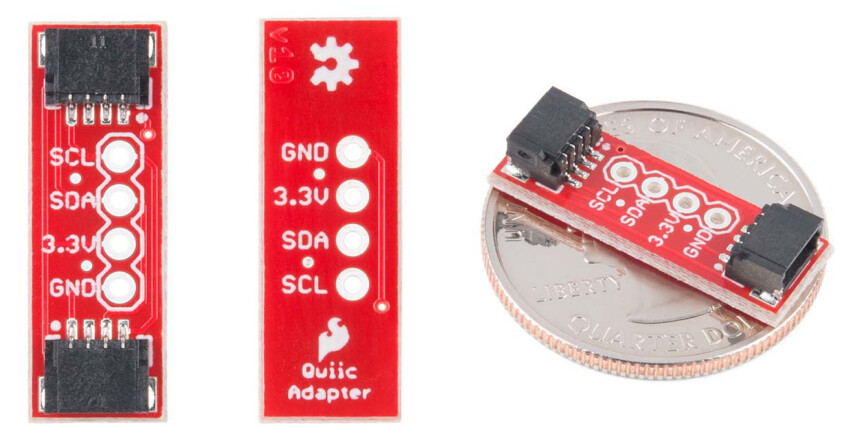
Digikey offers different types of prototype perforated board for these types of applications. A complete IoT Weather Station solution can also be developed using the Raspberry Pico 2W similar to the previous article called Nordic nRF54L15-DK Zephyr SPI (Temp,Pressure,Humidity) (Zephyr IoT weather station..
Have a great day!
Este artículo esta disponible en español aquí,
This article is available in spanish here.